Owen Lassiter
All the Old KnivesOwen Lassiter is the Vienna station’s codes-and-ciphers officer, a withdrawn figure whose brief tenure ends in suicide. His work places him inside the station’s inquiry into a possible leak, but his death later makes him an easy, unanswerable suspect: Celia Favreau explicitly questions whether the story built around him is anything more than a convenient way to avoid a harder explanation.
Identity and Background
In December 2006, Owen is one of four members of the Vienna station’s core group under chief of station Victor Wallinger. He handles codes and ciphers, a role Celia Favreau cannot explain in technical detail. Her uncertainty limits what the account establishes about his day-to-day duties; it does, however, place him within the small team responsible for interpreting communications and considering what they might mean.
Owen is described as minor American royalty because he is related to a Wyoming senator. Celia recalls that this connection shaped the team’s expectations: they anticipated a prep-school jerk, but encountered someone gloomy instead. The contrast belongs to her retrospective portrait, not to a fuller account of Owen’s upbringing or private character. No specific family history, educational history, or account of how he entered intelligence work is supplied.
At the Vienna Station
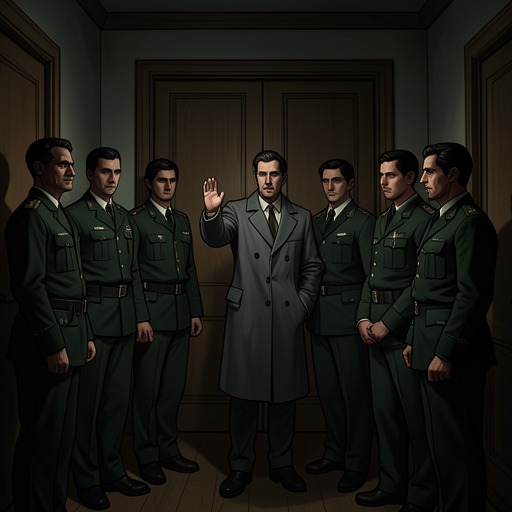
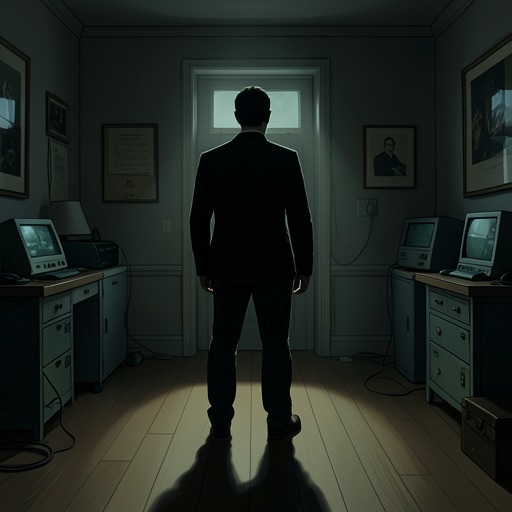
Celia’s descriptions emphasize Owen’s isolation from the station’s social life. At a meeting in Victor Wallinger’s office, he sits apart from the others, seeming to her to inhabit a dark world of ones and zeroes, blips and beeps. She compares his appearance to that of a raver stumbling into morning light. The image makes his technical specialty vivid while also marking him as a difficult colleague to approach: Celia says she would like to like him, and thinks the others might feel the same, but that he makes it difficult.
That impression is not simply a claim that Owen is disliked. Celia includes him among the station’s working group and later remembers him taking part in a serious discussion with her and Victor Wallinger. His reserve coexists with professional participation. The evidence does not show whether his manner reflects personal distress, temperament, or something else; the melancholy image is Celia’s observation, not an explanation of its cause.
Role in the Leak Inquiry
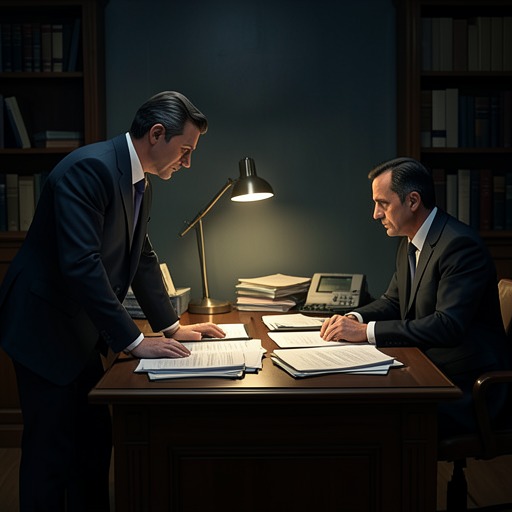
After the station notices a difference in Ahmed’s final message, Celia recalls that its members understood the difference might matter but did not say so openly. Before she left that night, Victor Wallinger convened a discussion with Celia and Owen about the possibility that the embassy was leaking information to the hijackers. The team considered alternatives, including Iranian or Russian involvement. Russian speech on the phone did not settle the question, since Ilyas Shishani preferred Russian, while the idea that Russia would assist a Chechen terrorist seemed implausible to them.
The six U.K. nationals aboard the aircraft suggested another possible explanation: perhaps London was involved. Owen pointed out a practical problem with that theory. The U.K. embassy, he argued, was staying out of the dealings and would not know what to tell the hijackers. His contribution therefore narrows one line of speculation without identifying the actual source of the suspected leak. The discussion remains inconclusive: the participants also considered that they might have misread the evidence, or that Ahmed had made a mistake. Celia’s account stresses that they were clutching at straws, not that Owen possessed a hidden answer.
On another occasion, when Victor Wallinger asks for further thoughts during the station’s deliberations, Owen suggests that the person under discussion might not be responsible. The remark is brief, and the supplied account does not establish precisely whom he meant. It nevertheless fits the cautious, uncertain character of the inquiry: suspicion was not proof, and Owen’s intervention keeps open the possibility of a mistaken attribution.
Suicide and the Story Built Around It
Owen’s station career lasts eight months. He takes a pistol from the storeroom, brings it home, and shoots himself in the head. Celia says that nobody ever really explained his suicide. The account provides the method and the weapon’s origin, but does not establish what Owen was thinking or why he acted. His family connection made the death more shocking to colleagues who had expected a privileged, self-assured figure rather than the gloomy man they knew.
Later, Celia challenges Henry Pelham’s conduct by proposing that he could pin the matter on Owen. She notes that Owen died three months after the Flughafen and offers a possible narrative: a love affair went bad after the crisis; guilt damaged the relationship, and guilt and loneliness then destroyed Owen. But she presents this as a neat story precisely because Owen cannot defend himself. Her point is not that the explanation is true, but that a dead colleague can be made to carry blame more easily than a living person can.
Owen’s role is consequently defined as much by the limits of what is known as by his actions. He contributes to the leak discussion, yet no conclusion follows from his advice; his suicide is reported, yet its cause remains unresolved. Celia’s later challenge turns those gaps into a warning about institutional storytelling: a plausible sequence of guilt, failed love, and loneliness can sound like an answer without proving anything. Owen remains both a colleague with a specific place in the Vienna station and an absent figure onto whom others may project an explanation.